
Offline-first
Cell coverage at the back of a 40-acre stand is not a given. inForest collects every measurement, photo, and edit locally. When you come back into signal, it syncs.
Northeast Agroforestry Hub · iPad
inForest is the offline-first iPad app for agroforestry teams. Map plots, measure every tree, capture photos as you walk the rows, and sync when you have signal. Built with farmers, biologists, and students for the long work of caring for land.
What it does
Cell coverage at the back of a 40-acre stand is not a given. inForest collects every measurement, photo, and edit locally. When you come back into signal, it syncs.
Lay out a forest with a precise plot grid, capture trees against a directional axis, and track every measurement across census generations.
Multiple field workers can collect on the same forest at once. Roles, memberships, and project boundaries keep the data organized as it grows.
Inside the app · three steps
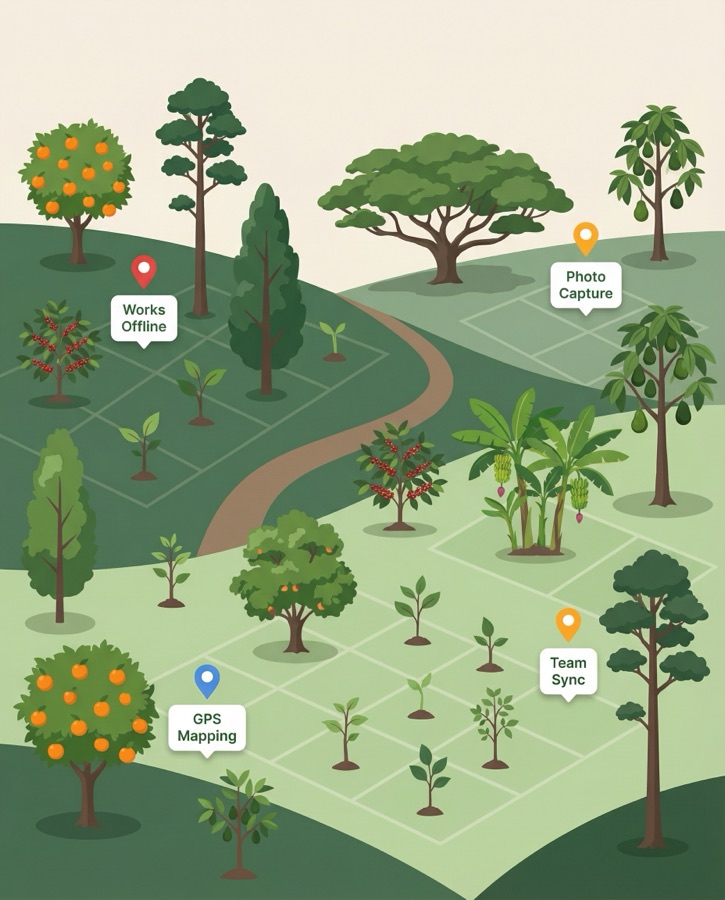
Map, measure, and manage your agroforestry plots. Collect data in the field — even offline.
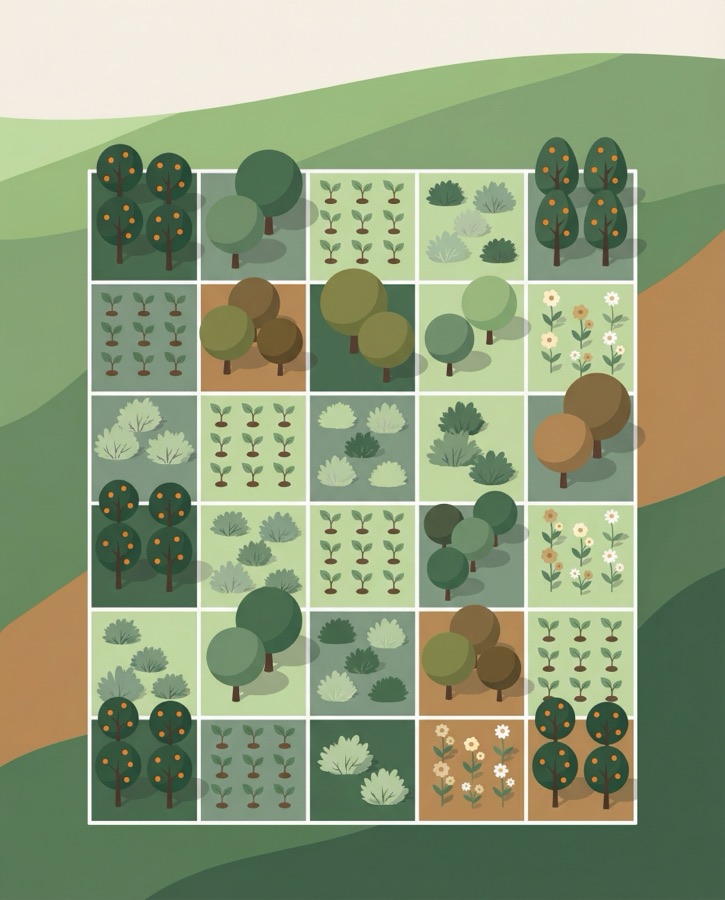
Define your forest boundaries. Divide them into research plots with a simple grid.
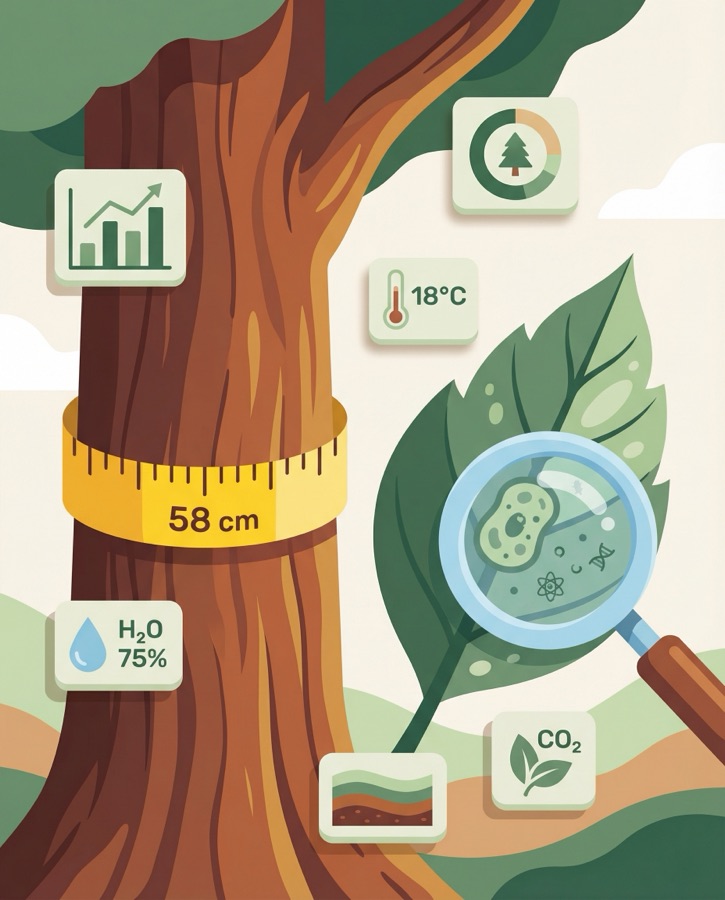
Measure, photograph, and identify every tree. Sync your data when you are back online.
inForest started as a tool for one farm and grew into a network. The longer-term vision is a hub where farmers can opt into sharing measurements, photos, and stand histories — a shared record of what's actually growing in the Northeast, who planted it, and how it's doing twenty years on.
Get in touch
Researchers, farmers, students — drop us a note. We read everything.

Funding acknowledgement
This material is based upon work supported by the National Institute of Food and Agriculture, U.S. Department of Agriculture, through the Northeast Sustainable Agriculture Research and Education program under subaward number LNE22-441 (federal award no. 2024-38640-42986), and by the National Science Foundation under Grant No. IUSE-1917002 (DIFUSE), with additional support from the DALI Lab at Dartmouth College.
Any opinions, findings, conclusions, or recommendations expressed in this publication are those of the authors and do not necessarily reflect the views of the U.S. Department of Agriculture or the National Science Foundation.